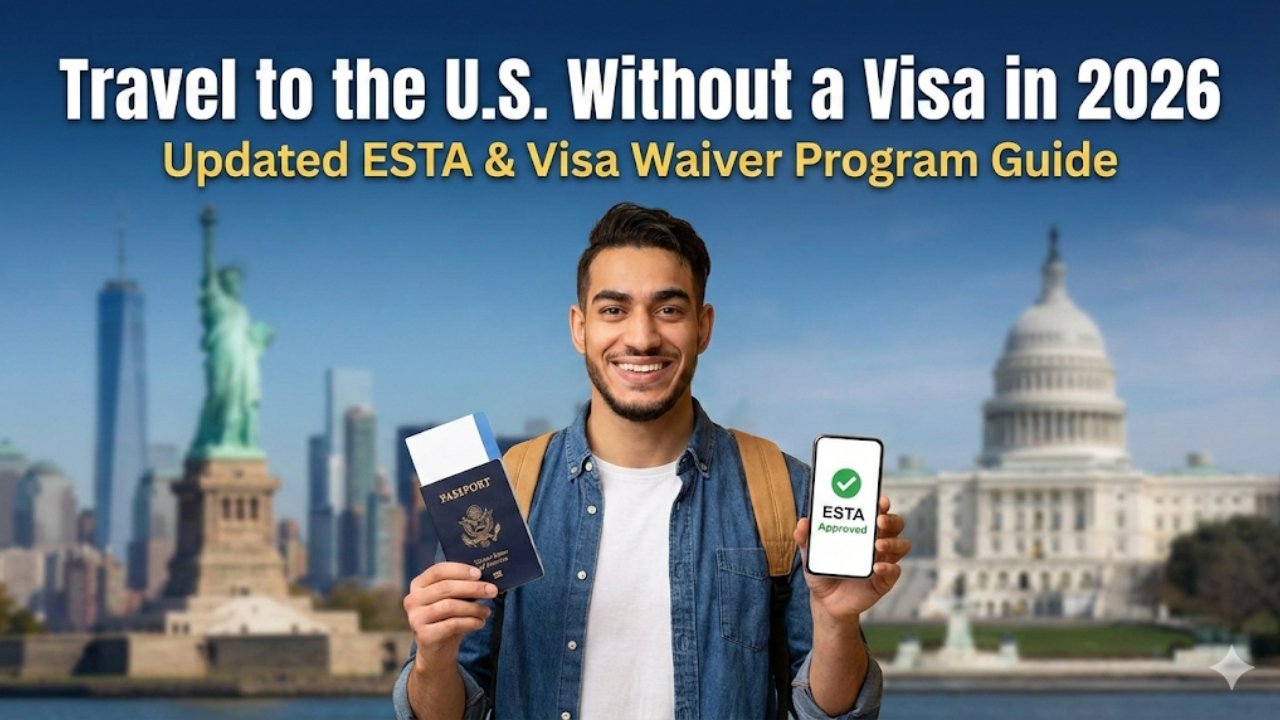
Planning a trip to the United States just got simpler for many international visitors in 2026. The Visa Waiver Program (VWP), managed by the Department of Homeland Security, lets citizens from approved nations skip the traditional visa process for short stays. This guide breaks down the essentials, from eligibility to application steps, so you can focus on your adventure.
What Is the Visa Waiver Program?
The VWP streamlines entry for tourism, business meetings, or transit, allowing up to 90 days per visit without a full visa. Launched decades ago, it now covers over 40 countries, emphasizing security through pre-travel checks. Travelers love it for cutting embassy wait times, but it demands strict adherence to rules—no extensions or changes to work or study.
Eligible Countries List
Only passport holders from specific nations qualify, ensuring mutual travel agreements. In 2026, the program remains stable with no major additions announced yet. Here’s a quick reference table of key participants:
| Region | Countries |
|---|---|
| Europe | UK, Germany, France, Italy, Spain, Netherlands, Sweden, Denmark, Norway, Finland, Switzerland, Austria, Belgium, Ireland, Portugal, Greece, Poland |
| Asia-Pacific | Japan, South Korea, Australia, New Zealand, Singapore, Taiwan |
| Americas | Chile |
| Middle East | Israel |
ESTA Application Process
ESTA, or Electronic System for Travel Authorization, is your online ticket to VWP entry. Apply at the official CBP site up to 72 hours before departure—approvals often come instantly but can take longer. You’ll need your passport details, travel plans, and answers to eligibility questions; the fee is around $21, valid for two years or until passport expiry.
Key Eligibility Rules
Not everyone from a VWP country gets automatic approval. You must carry a biometric e-passport with a chip, prove a return ticket, and disclose any prior U.S. overstays or arrests. Dual citizens or those visiting restricted nations like Iran post-2011 may face denials, pushing them toward B1/B2 visas instead. Airlines check ESTA at boarding, so fakes lead to immediate rejection.
What You Can and Can’t Do
VWP stays suit vacations, short conferences, or layovers—think exploring national parks or client pitches. Paid work, enrolling in courses, or journalism gigs require separate visas. Overstaying even one day risks a three-year ban; border agents make final calls on entry, regardless of ESTA.
Recent 2026 Updates
Security enhancements dominate 2026 rules, with faster biometric scans at airports and real-time database cross-checks. No new countries joined since Israel’s addition, but processing times shortened via mobile apps. Travelers report smoother ports like JFK, though peak seasons still mean queues—arrive early.
Common Pitfalls to Avoid
Many denials stem from incomplete ESTA forms or forgotten criminal disclosures. Budget travelers forget proof of funds, while families overlook kids’ separate applications. If denied, appeal isn’t simple; pivot to a consulate visa promptly to save your trip.
Tips for Smooth Entry
Pack your ESTA confirmation printout alongside your passport. Be ready for quick interviews at customs—clear answers about your itinerary build trust. Use Global Entry for frequent flyers to skip lines. Always check CBP’s site before booking flights, as rules evolve.
FAQs
How long does ESTA approval take?
Usually minutes, but apply early to avoid delays.
Can I extend a VWP stay?
No, 90 days is firm—plan accordingly.
What if my ESTA is denied?
Apply for a B1/B2 visa at a U.S. embassy.