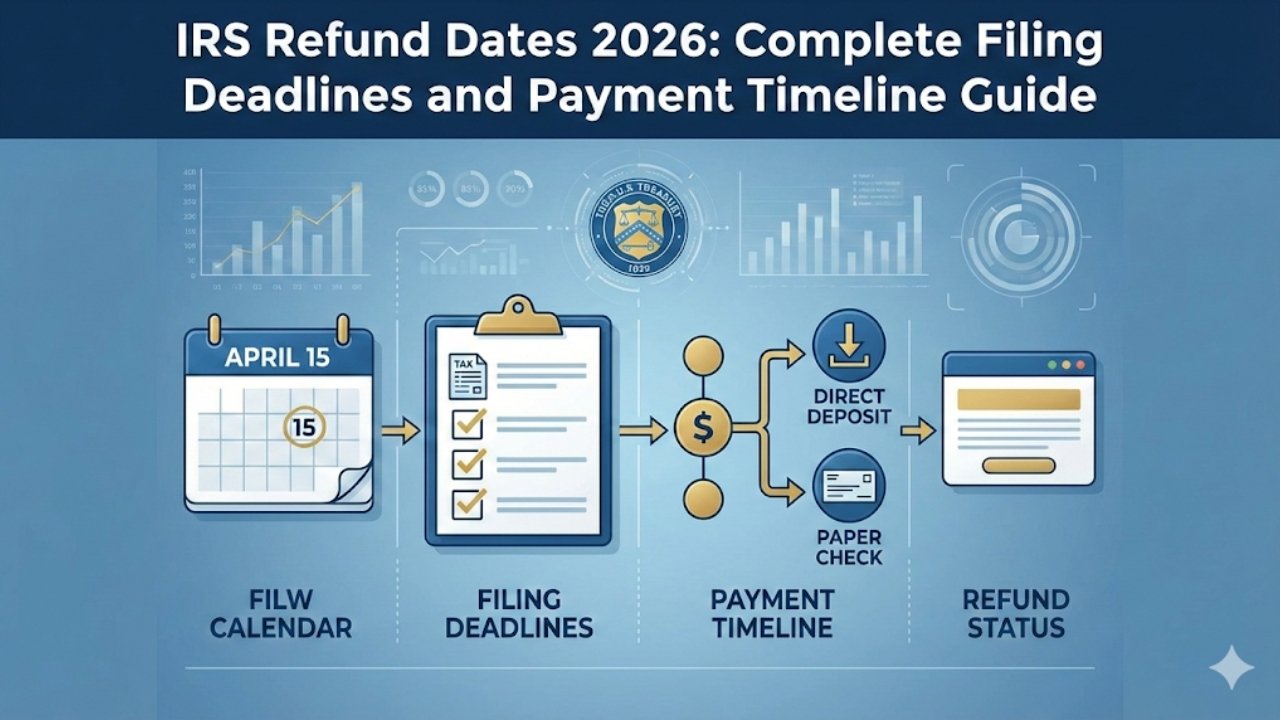
The 2026 tax filing season brings clarity for millions of Americans eager to claim their refunds. With President Donald Trump’s administration emphasizing efficient tax processing, the IRS has streamlined operations to handle returns faster than ever. Filing early maximizes your chances of quick payouts, especially amid rising living costs in early 2026.
When Filing Opens
Tax year 2025 returns become accepted starting late January 2026, likely around January 27. This kickoff allows electronic submissions to process swiftly, setting the stage for refunds by mid-February for simple cases. Paper filers face longer waits, but direct deposit remains the gold standard for speed across all methods.
Standard Processing Times
E-filed returns with direct deposit typically deliver refunds in 10 to 21 days after acceptance. Paper checks or mailed returns stretch to 4 to 8 weeks due to manual reviews and postal delays. Complex scenarios, like those needing extra verification, add another week or two, rewarding patient taxpayers with reliable timelines.
Key Data Table: Estimated Refund Timeline
| Filing Method | Typical Timeframe | Expected Start | Special Notes |
|---|---|---|---|
| E-file + Direct Deposit | 10-21 days | Late Jan 2026 | Fastest; minimal errors needed |
| E-file + Paper Check | 3-5 weeks | Late Jan 2026 | Mailing slows delivery |
| Paper + Direct Deposit | 4-6 weeks | Late Jan 2026 | Manual entry required |
| Paper + Paper Check | 6-8 weeks | Late Jan 2026 | Longest due to full manual |
| EITC/ACTC Claims | Mid-Feb onward | Feb 18, 2026 | Legally held until mid-February |
EITC and ACTC Delays Explained
Earned Income Tax Credit and Additional Child Tax Credit claimants face a statutory hold until February 18, 2026. Refunds for these then roll out by early March, with the IRS projecting most direct deposits by March 2. This rule prevents fraud, though it frustrates families relying on these funds for essentials like groceries or bills.
Overall Filing Deadlines
The standard deadline looms on April 15, 2026, but extensions push filing to October 15 without penalty on refunds. Late filers forfeit interest on overpayments, so submitting by the deadline preserves earnings. Automatic six-month extensions apply via Form 4868, yet payment remains due April 15 to dodge penalties.
Tracking Your Refund Status
Use the IRS “Where’s My Refund?” tool or IRS2Go app for real-time updates starting 24 hours post-e-file. Enter your SSN, filing status, and exact refund amount for precise tracking. Delays beyond three weeks often signal math errors or ID mismatches, prompting quick amendments for faster resolution.
Tips for Faster Refunds
Opt for e-filing through trusted software to slash errors by 90%. Choose direct deposit over checks to eliminate mail risks, and double-check entries for W-2s or 1099s. Avoid peak filing weeks in late March for lighter processing loads, ensuring your refund lands sooner amid 2026’s economic upswing.
Potential 2026 Changes
Under current policies, the IRS eyes tech upgrades for 2026, potentially cutting average times by days. Expect no paper checks for refunds soon, pushing everyone toward digital options. Stay updated via IRS.gov, as holidays like Presidents’ Day may nudge timelines slightly.
FAQs
When does the IRS start issuing 2026 refunds?
Late January for early e-filers, mid-February broadly.
Why are EITC refunds delayed?
Law holds them until February 18 to combat fraud.
How to check refund status?
IRS app or website with SSN and refund details.