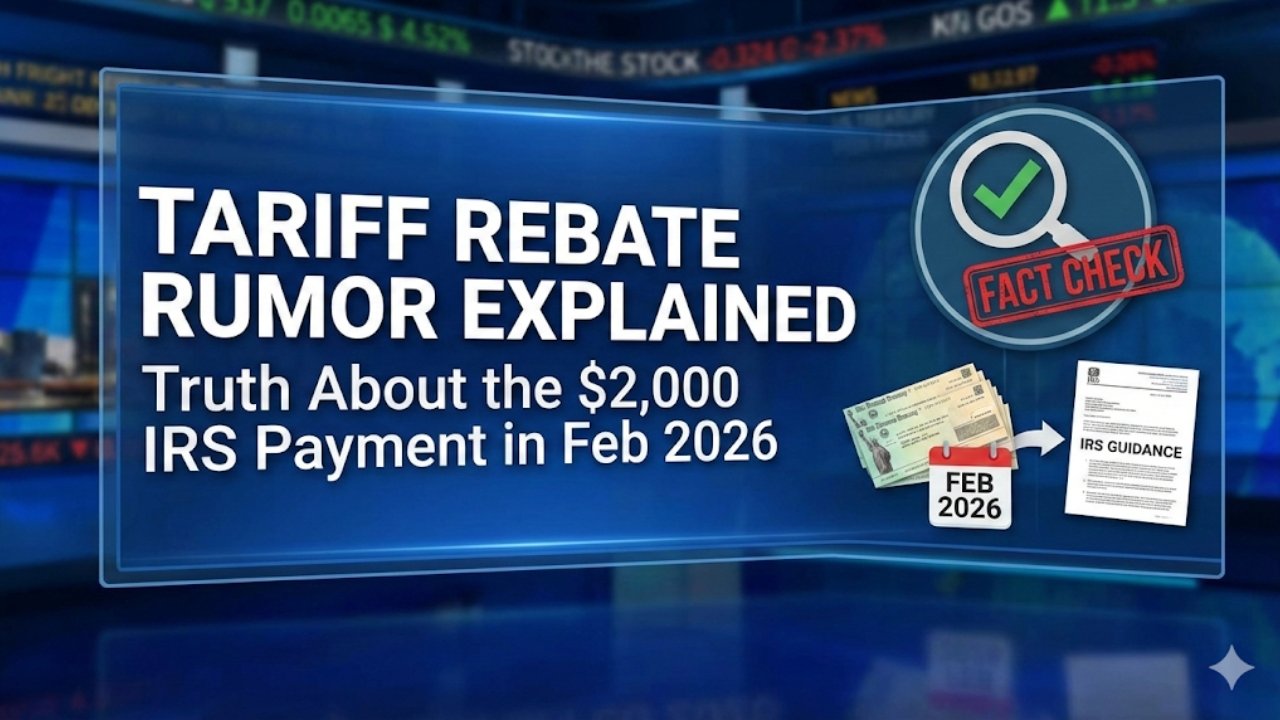
Rumors of a $2,000 IRS payment arriving in February 2026 as a tariff rebate have spread rapidly across social media and news sites. Many Americans are hopeful for this financial boost amid rising costs from trade policies. However, excitement often outpaces facts, leaving people wondering if this is real relief or just hype.
Origins of the Tariff Rebate Buzz
The chatter started with posts claiming President Trump’s administration would redistribute tariff collections directly to households. Supporters point to surplus revenues from import duties on goods like steel and electronics imposed since his reelection. These duties aimed to protect U.S. jobs but raised prices for consumers, fueling calls for refunds.
Online articles painted it as an automatic direct deposit for tax filers earning under certain limits. Videos and threads amplified the message, urging viewers to check bank accounts soon. Yet, initial excitement ignored the lack of official backing, turning a policy idea into viral speculation.
What Official Sources Actually Say
The IRS website lists no such program in its February 2026 news releases or payment schedules. Federal rebates require congressional approval, budget allocation, and public notice—none of which appear for this $2,000 payout. Past stimulus checks followed clear laws like the CARES Act, but no equivalent exists here.
Trade experts note that tariff refunds typically go to importers or companies, not individuals. A recent Supreme Court ruling ordered the government to repay $134 billion in disputed tariffs to affected businesses, not everyday taxpayers. This corporate focus debunks the household rebate narrative.
Eligibility Myths and Realities
Viral claims suggest anyone with a 2025 tax return qualifies, using Social Security numbers for verification. In truth, without legislation, no eligibility criteria exist. Even if proposed, income caps or filing status would likely apply, similar to prior relief efforts excluding high earners.
Scammers exploit this confusion, sending fake IRS emails promising quick cash for personal details. The real IRS never demands upfront fees or unsolicited data for payments. Tax pros advise monitoring your official IRS online account for legitimate updates instead of chasing rumors.
Tariff Revenue Breakdown
Tariff income has surged under current policies, but distribution remains unclear. Here’s a simple table showing estimated U.S. tariff collections and potential uses based on recent fiscal data:
| Year | Collections (Billions) | Main Sources | Common Uses |
|---|---|---|---|
| 2024 | $85 | China imports, steel | Debt reduction |
| 2025 | $120 | Electronics, autos | Company refunds |
| 2026 (proj) | $150 | All imports | Trade enforcement |
Why the Rumor Persists
Social media algorithms boost eye-catching financial promises, drowning out nuance. With inflation lingering and wages stagnant for many, a $2,000 check sounds like timely aid. Politicians occasionally float rebate ideas during trade talks, keeping hopes alive without firm commitments.
Past precedents like pandemic checks make people expectant of government aid. However, this tariff plan differs—it’s tied to specific trade wins, not broad economic stimulus. Dismissing it as fake news overlooks genuine policy debates, but verification trumps speculation every time.
Risks of Believing the Hype
Falling for unverified claims can lead to dashed expectations or fraud losses. Families budgeting around phantom payments face real strain when nothing arrives. Financial advisors stress building emergency savings over relying on one-off rumors.
If a real program emerges, it would dominate headlines with IRS alerts and White House briefings. Until then, treat February 2026 deposit tales as cautionary stories about misinformation in the digital age.
Protecting Yourself Moving Forward
Stick to IRS.gov and verified news for tax updates. Enable direct deposit via your tax account to speed legitimate refunds. Report scams to the FTC, and consult a certified accountant for personalized advice on credits or deductions.
While tariffs reshape the economy, individual relief paths lie in proven programs like Earned Income Tax Credit expansions. Stay informed, skeptical, and proactive—truth cuts through rumor noise effectively.
FAQs
Is the $2,000 tariff rebate real?
No, it’s an unconfirmed rumor without IRS or legislative support.
Who might qualify if it happens?
Hypothetically, recent tax filers under income limits, but nothing is approved.
How to check for real IRS payments?
Log into your IRS online account or call official lines—avoid links in emails.