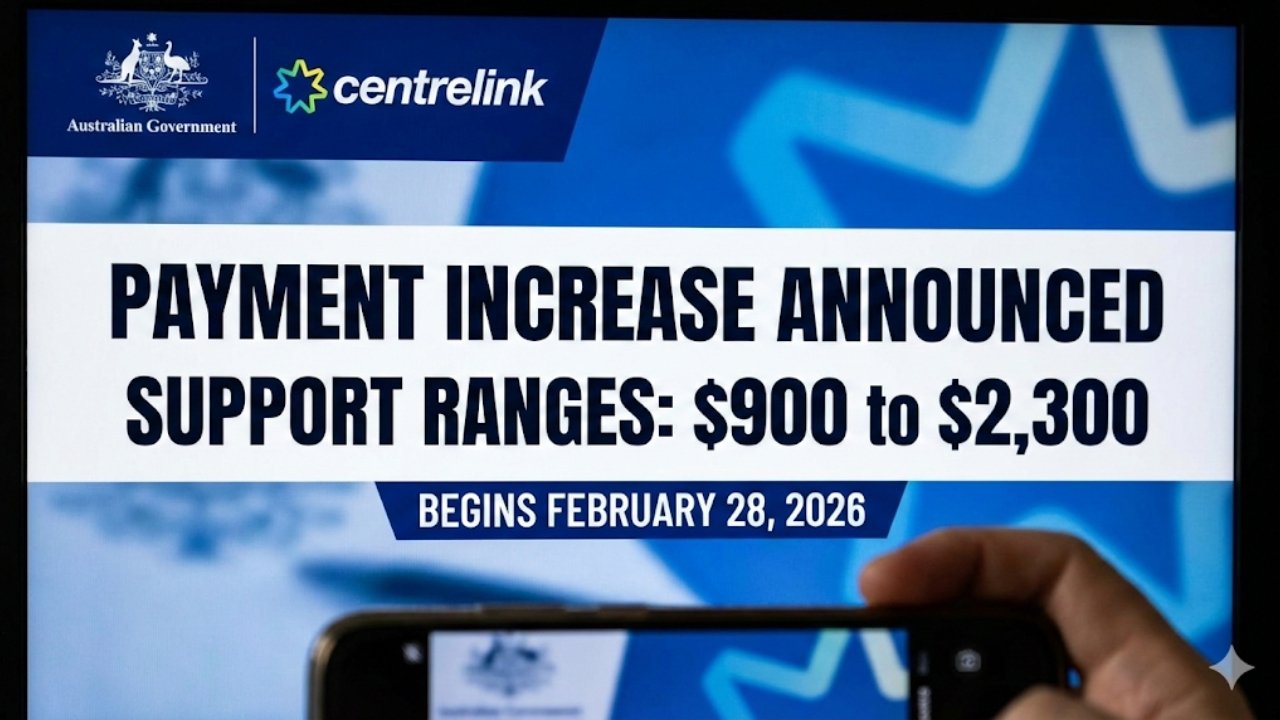
Millions of Australians relying on Centrelink payments will soon breathe easier as the government rolls out enhanced support starting February 28, 2026. This initiative promises a jump from around $900 to up to $2,300 for qualifying recipients, directly tackling skyrocketing living costs like rent, groceries, and utilities. Families, pensioners, and those with disabilities stand to gain the most from these timely adjustments.
Why the Increase Matters Now
Rising inflation has squeezed household budgets nationwide, making everyday essentials feel like luxuries for many. The new rates reflect a compassionate response, indexed to real economic pressures rather than outdated figures. For single parents juggling work and childcare or retirees on fixed incomes, this extra cash flow could mean paying bills on time or even saving a little for emergencies. It’s a practical lifeline in tough times.
Key Payments Getting the Upgrade
JobSeeker, Disability Support Pension, Carer Payment, and Age Pension lead the pack with boosted fortnightly amounts. Eligible singles might see their base payments climb by $160 or more, while couples and families could pocket hundreds extra per cycle. Supplements for energy bills and rent assistance also factor in, creating a tailored package that fits diverse needs. These changes build on annual indexation but go further to address urgent gaps.
Eligibility Breakdown
Not everyone qualifies automatically—Services Australia assesses based on income, assets, residency, and activity tests. Low-income earners under pension age, approved carers, and full-pension recipients typically top the list. Recent arrivals or those with partial work capacity might need to update their details via myGov to unlock the full amount. Double-checking your status now avoids missing out when payments hit accounts.
| Payment Type | Previous Fortnightly Max (Single) | New Fortnightly Max (Single) | Key Change Factors |
|---|---|---|---|
| JobSeeker | ~$800 | ~$960 | Indexation + supplements |
| Age Pension | ~$1,000 | ~$1,180 | Assets test tweaks |
| DSP | ~$1,050 | ~$1,230 | Disability criteria update |
| Carer Payment | ~$900 | ~$1,090 | Care hours verification |
| Family Tax Benefit (est.) | ~$500 (per child) | ~$620 | Family size multiplier |
How Payments Roll Out
Mark your calendars: the first increased deposits land on February 28, 2026, aligning with standard pay cycles. Expect automatic adjustments for most, but some may require a quick online claim or report. Linking your account to myGov lets you track changes in real-time, including any one-off bonuses for energy rebates. Regional Aussies in remote areas get the same deal, ensuring fairness across the board.
Real-Life Impact Stories
Imagine a Melbourne single mum whose JobSeeker payment now covers her toddler’s daycare fees without skimping on meals. Or a Sydney pensioner couple finally affording their meds and a weekly outing. These stories highlight how the $900-to-$2,300 range translates to stability, reducing reliance on food banks or high-interest loans. Community groups already report fewer calls for emergency aid post-announcement.
Steps to Maximize Your Support
Log into myGov today to review your profile and report any income shifts. Explore extras like the Crisis Payment for disasters or Pharmaceutical Allowance for scripts. Budgeting apps can help stretch the new funds—prioritize debts first, then build a buffer. If disputes arise, Centrelink’s helpline offers free advice without judgment.
Looking Ahead
This February update sets a hopeful tone for 2026 welfare reforms, with whispers of further tweaks mid-year. As costs stabilize, sustained support keeps dignity intact for vulnerable groups. Australians should stay informed via official channels to ride these waves confidently.
FAQs
When do payments start?
From February 28, 2026, in your next regular cycle.
Who gets the full $2,300?
Families or couples with max eligibility; singles top out lower.
How to check my rate?
Via myGov or call 132 307—updates show automatically.