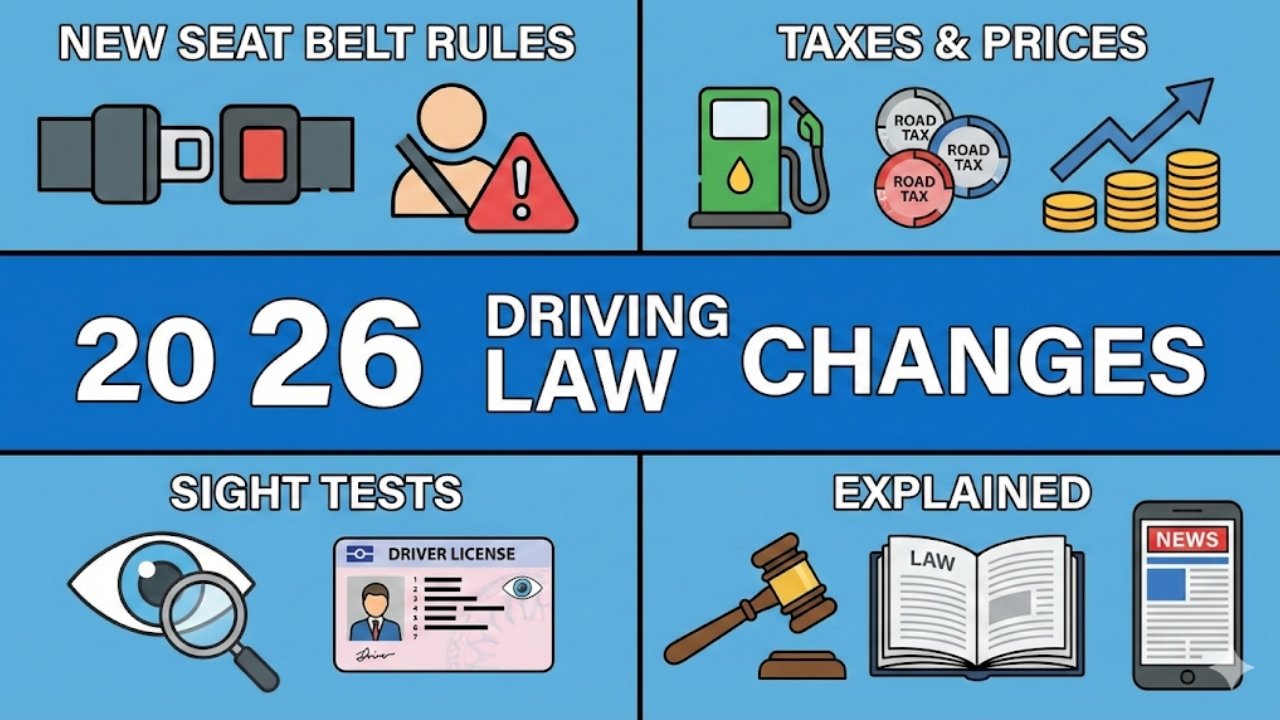
UK roads are set for meaningful safety upgrades in 2026, with tougher rules targeting seat belt non-compliance leading the charge. Drivers now face three penalty points on their licence if caught without a belt or if passengers under their responsibility aren’t buckled up, a sharp rise from the previous single point in many instances. Fines can reach £500 or more if cases escalate to court, underscoring the driver’s full accountability for all vehicle occupants. These measures aim to slash accident injuries, as seat belts prevent thousands of serious harms annually, pushing compliance through real deterrence.
Vehicle Tax Hikes Explained
Vehicle Excise Duty (VED), or road tax, sees adjustments from April 1, 2026, reflecting inflation and environmental priorities. The standard annual rate climbs from £195 to £200 for most cars after the first year, while first-year rates for high-emission models jump from £5,490 to £5,690. Electric vehicle owners gain relief with the Expensive Car Supplement threshold rising to £50,000 from £40,000, sparing many EVs the extra £440 yearly levy for five years. Petrol, diesel, and hybrid drivers stay bound by the lower limit, balancing revenue needs against zero-emission incentives.
| Change Type | Previous Rate/Threshold | 2026 Rate/Threshold | Affected Vehicles |
|---|---|---|---|
| Standard VED (annual, post-year 1) | £195 | £200 | Most cars |
| First-year high CO2 (>255g/km) | £5,490 | £5,690 | High-emission models |
| Expensive Car Supplement | £40,000 | £50,000 (EVs only) | Luxury EVs spared; others unchanged |
| Company Car BiK (EVs) | 3% | 4% | Electric fleet vehicles |
Eyesight Checks for Seniors
A pivotal shift targets older drivers with proposals for mandatory eyesight tests every three years starting at age 70, aligning with licence renewals. Currently, self-declaration suffices, but the Department for Transport’s consultation, open until May 2026, pushes for verified optician checks to confirm vision standards. This responds to rising concerns over age-related decline contributing to crashes, without broader cognitive mandates yet. Implementation could follow post-consultation, enhancing safety while supporting independent mobility.
Fuel and Congestion Costs Rise
Petrol and diesel drivers brace for pump prices climbing as the 5p-per-litre fuel duty cut ends in September 2026, with phased increases through 2027. London commuters face stiffer Congestion Charge at £18 daily, though EVs snag a 25% discount to £13.50 via Auto Pay registration. These tweaks fund infrastructure amid shifting revenue from electric adoption, urging fuel efficiency habits.
Broader Safety and Test Updates
Beyond basics, 2026 brings practical test tweaks like extended independent driving to 20 minutes and fewer emergency stops for realistic skills assessment. Theory exams add emergency response topics such as CPR and defibrillator use, while booking curbs third-party slots to fight queues. Drink-drive limits may drop to 50mg/100ml blood in England and Wales, matching Scotland’s stance. Euro 7 standards hit new cars from November, curbing emissions tighter.
EV and Luxury Pricing Shifts
Electric vehicles lose some perks but dodge steeper luxury taxes, with the £50,000 threshold easing burdens on mid-range models. Potential per-mile road pricing at 3p looms to offset fuel duty shortfalls, sparking debates on fairness. Company car taxes nudge up BiK rates, impacting fleets while historic vehicles over 40 years stay tax-free. Buyers should weigh these against falling battery costs for long-term savings.
Preparing for Compliance
Motorists must update GOV.UK details for emerging digital licences, monitor ANPR for tax/MOT lapses, and book optician visits if over 70. Families carrying kids under 14 bear extra responsibility under seat belt rules. Staying proactive avoids points, fines, and risks, fostering safer journeys amid these evolutions.
FAQs
Q: When do seat belt penalty points increase?
A: Immediately in 2026, to three points plus fines.
Q: Does the £50k tax threshold apply to all cars?
A: No, only EVs; others remain at £40k.
Q: Are eyesight tests mandatory yet for over-70s?
A: Proposed via consultation; not final.